
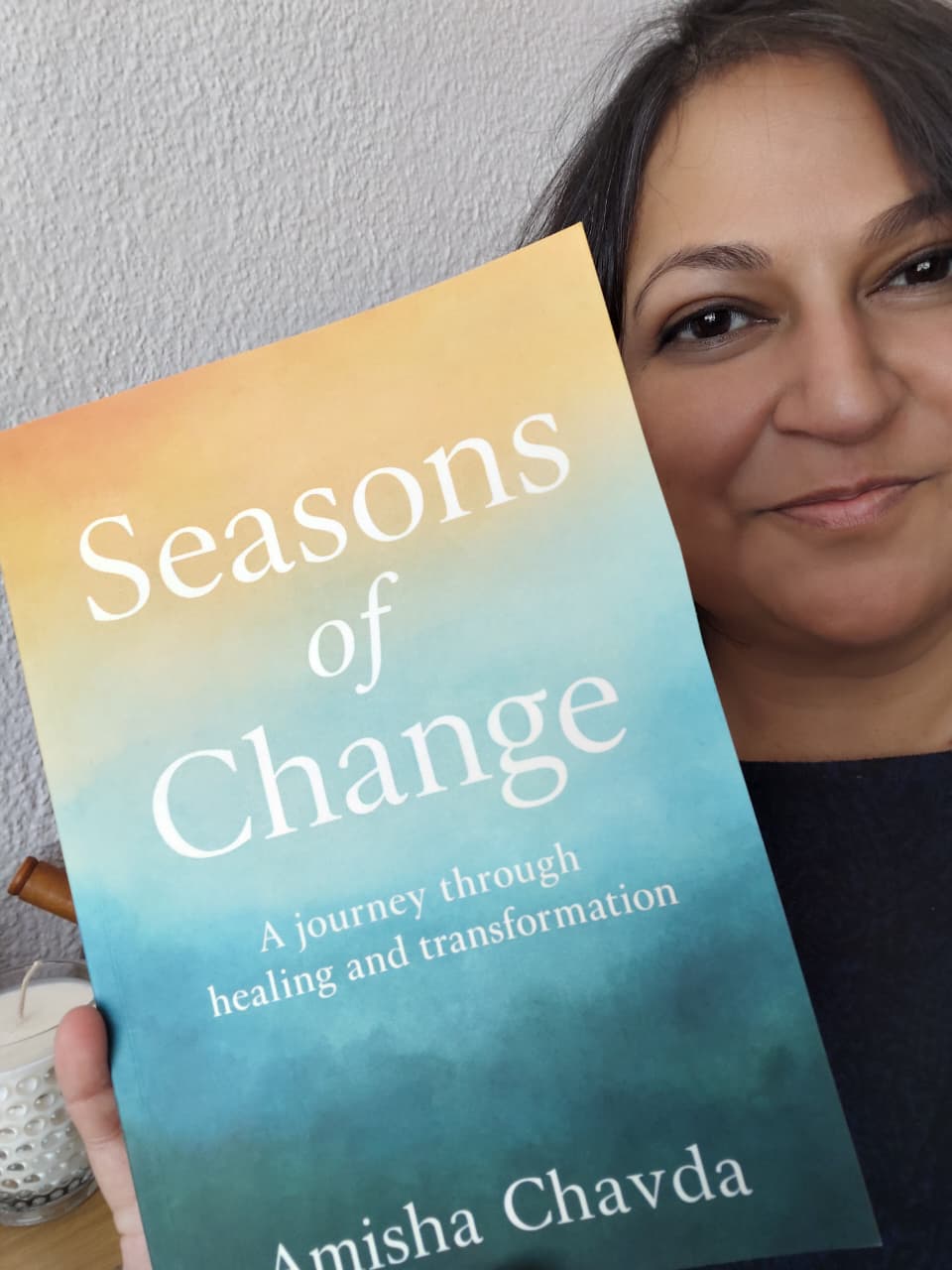
A personal story of struggle, resilience, and rediscovering my authentic self.
Sometimes the hardest seasons in life are the ones that quietly shape us into who we are meant to become.”
There are times in life when everything appears normal on the outside… but inside, you feel like you’re quietly falling apart.
For many years, that was me.
Wearing the Mask
Before I became ill, I didn’t know how to process my emotions. I would smile, carry on, and pretend everything was fine. But when I was alone, the emotions would surface, and I would break down quietly, trying to make sense of feelings I didn’t fully understand.
Even after I was diagnosed with ulcerative colitis, I continued wearing that mask. I told myself I had to be strong. I convinced myself things would eventually get better. But as time passed and one complication followed another, I began to realise something important:
This could not be what life was about.
There had to be more than feeling like this.
I could not keep living a lie.
What made it even harder was the loneliness. I had friends and family who cared deeply and tried to comfort me, but I struggled to explain what I was going through. The truth was, I didn’t understand it myself. It felt like I was stuck in a place where no one else could quite reach me.
When Everything Felt Hopeless
The hardest part was being sick for so long, with the constant feeling that I might never get better. Each new complication felt like another setback. Eventually, I reached a point where I felt ready to give up.
Then something shifted.
Unable to do much physically, I had so much time for self-reflection. I began changing my mindset. At first, the changes were small. I started listening to my body. I became kinder to myself. I began to understand that healing wasn’t just physical, but emotional and mental too.
When I started seeing small improvements, it motivated me to keep going. Those small moments became light during one of the darkest seasons of my life.
I also remember a conversation with a doctor when I didn’t want to go through another operation. I was exhausted, physically and emotionally. He said something that stayed with me:
“I know this seems hard, and I know you’ve been through so much. But once you get through this, it will become a distant memory.”
At first, I didn’t trust him. There had been too many complications, and this felt like just another one. I took a deep breath and gave my go-ahead.
Today, those words still give me hope whenever I feel like I can’t do something.
Finding My Voice Again
Around this time, writing found its way back into my life.
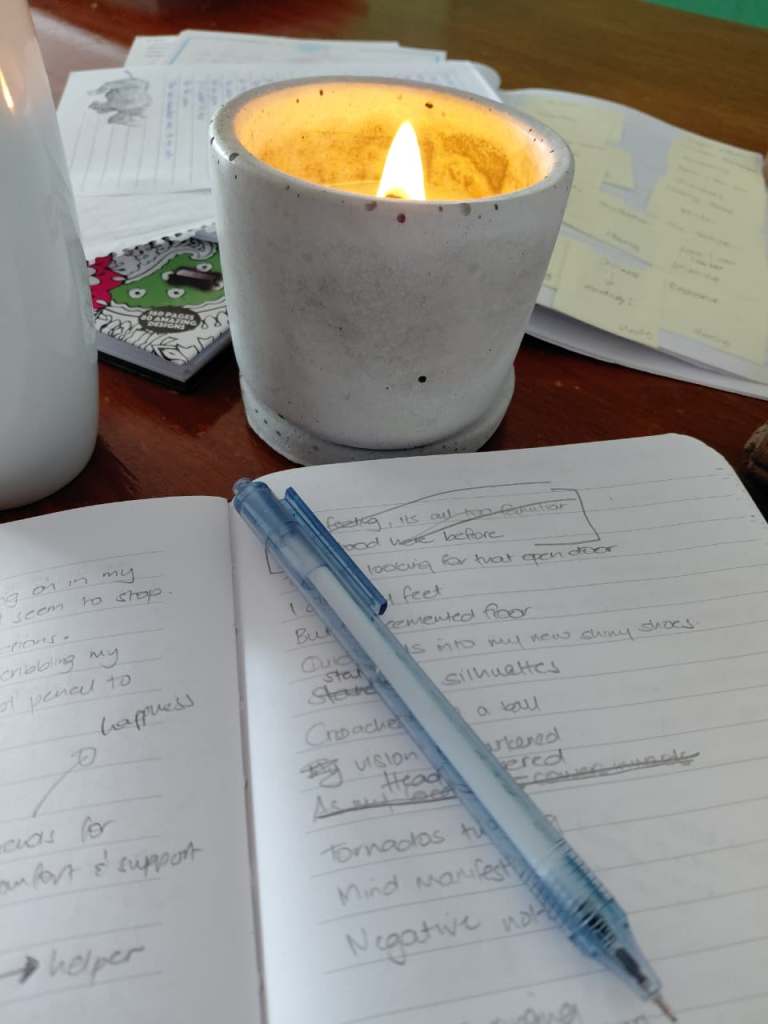
But it wasn’t easy.
When I first started, I experienced writer’s block. I couldn’t write more than four lines. Later, I realised why. I wasn’t ready to face what I had been through.
Slowly, the words began to return.
And when they did, it wasn’t just words that flowed onto the page. It was everything. The smells of hospital rooms. The sounds of machines. The fear. The frustration. The hope.
Sometimes the words would spiral out faster than I could process them. Other times, a single word would trigger emotions so strong that I couldn’t even read what I had written, or return to that page for weeks.
Through writing, I began to understand myself in ways I hadn’t before. I discovered that I was stronger and braver than I had believed. I also found it easier to express my emotions, something I had struggled with for most of my life.
Choosing Vulnerability
For years, I wore a mask because I was ashamed to show I was struggling. I didn’t want anyone to see that I needed help. But writing Seasons of Change meant removing that mask. It meant allowing myself to be vulnerable.
And that vulnerability almost stopped me from publishing the book.
I worried about what people who knew me would think. I wondered how they would react to thoughts and feelings they never knew I carried. But in the end, I decided to share my story for one simple reason:
I didn’t want anyone else to feel the way I did.
Alone.
Stuck.
Afraid.
Even though I was surrounded by people, I still felt alone because I couldn’t relate to anyone who understood what I was going through.
What Healing Taught Me
Today, I feel different. I feel more confident. I find it easier to express my emotions. I listen to my body. I am kinder to myself.
Healing, I’ve learned, doesn’t mean everything disappears. It doesn’t mean you’re cured. For me, healing means that nothing controls your life anymore. It means making peace with your situation and learning how to move forward without being consumed by it.
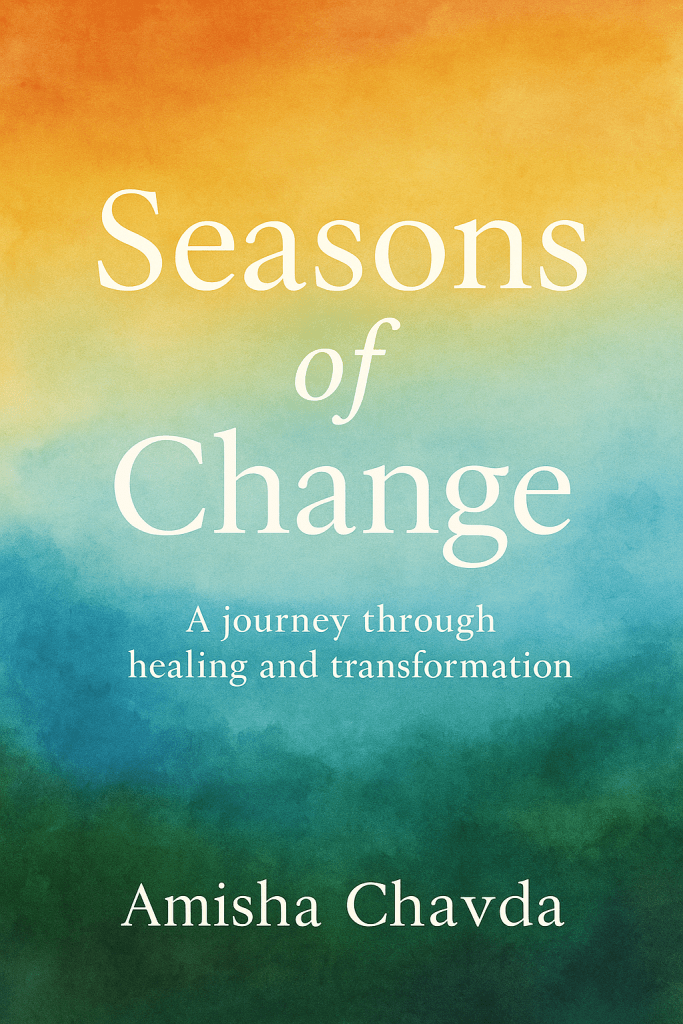
Seasons of Change became more than just a poetry collection. It became my journey through loss, struggle, growth, and rediscovery.
If there’s one thing I hope readers take away from this book, it’s this:
You are not stuck.
Difficult seasons are temporary.
And sometimes, the most beautiful growth happens quietly.
If You’re in a Difficult Season
If you’re going through a difficult season right now, I encourage you to find an outlet.
Talk to someone.
Write your emotions down.
Join a support group.
Exercise.
Dance.
Sing.
Pray.
Just find something that helps you release what you’re holding inside. You don’t have to carry it alone.
Because just like the seasons…
Life changes.
Healing unfolds.
And transformation is always possible. 🌿✨
A Final Thought
Seasons of Change is more than a poetry book. It’s a journey through loss, healing, and rediscovery.
If you’re navigating your own season of change, I hope these words remind you that you’re not alone.
Discover Seasons of Change and begin your own journey of reflection and healing.
Yours in Healing Always
Amisha
PS, I’d love to hear from you.
Have you experienced your own season of change? Share your thoughts in the comments or connect with me.


Leave a Reply