
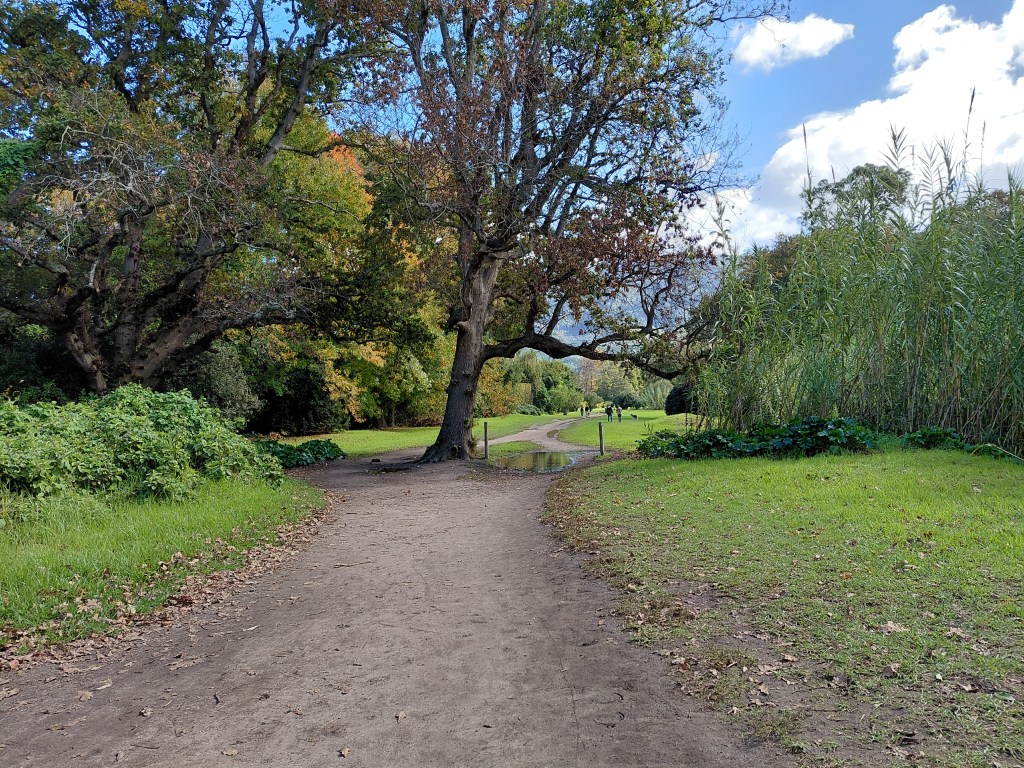
For a long time, I thought healing was the destination.
I believed that if I could identify the problem, understand it, talk about it, and work through it, I would eventually arrive at a place called “healed.” A place where the discomfort would disappear, the lessons would be learned, and life would somehow make more sense.
But healing didn’t unfold the way I expected.
When Your Body Starts Asking Questions
My journey began when I started getting ill repeatedly. At first, I focused on the physical symptoms, but deep down I knew there was something more. The exhaustion wasn’t only in my body. It was emotional too. It felt as though some part of me was trying to get my attention.
For years, I told myself the same story many people do.
This is just life.
Everyone struggles.
Everyone carries burdens.
Everyone feels overwhelmed sometimes.
Yet beneath those explanations was a quiet knowing that refused to disappear. I sensed there was more available to me than merely enduring my days. More than surviving. More than accepting unhappiness as normal.
The biggest challenge wasn’t overcoming my circumstances. It was overcoming the beliefs I had built around them.
I had convinced myself that certain behaviours, thought patterns, and emotional struggles were simply part of who I was. Healing slowly revealed that many of those things weren’t my identity at all. They were adaptations. Survival strategies. Ways of coping that had become so familiar that I mistook them for myself.
I remember a moment that changed everything.
I was sitting at lunch with friends. We were sharing stories, perspectives, and advice, the way friends often do. Then, unexpectedly, I went quiet. As I listened, something settled inside me.
I realised I didn’t need to become someone new.
I didn’t need to build a better version of myself. I needed to return to the person I had always been. Before life, fear, expectations, and self-doubt convinced me otherwise. That realisation brought relief, but it also brought discomfort. I began to see that even while I was “doing the work,” I had become consumed by trying to fix myself. In some ways, I felt further away from myself than ever.
Not long after, another truth surfaced. I admitted to myself how unhappy I had become. It wasn’t dramatic. There were no fireworks or grand revelations. Just an honest moment I could no longer avoid. And once I acknowledged it, there was no turning back.
Because once you see your truth clearly, you cannot unknow it.
The Emptiness Nobody Warns You About
At the time, I thought that moment would be the hardest part. It wasn’t. The hardest part was what came after. Because nobody talks about what happens when healing is no longer your full-time job.
Nobody talks about the space that appears once the constant analysing, fixing, understanding, and unlearning begins to settle. Nobody talks about the emptiness.
Healing creates space. The habits that once occupied your mind begin to loosen their grip. The overthinking slows. The self-criticism softens. The emotional loops become quieter. And then you are left standing in a place that feels strangely unfamiliar.
I thought I would feel victorious. Instead, I often felt sad. Not because I regretted the journey, but because I could finally see how much time I had spent believing I was less than I was. I grieved for the years spent doubting myself. The years spent shrinking. The years spent convincing myself that surviving was the same as living.
Growth brought freedom, but it also brought mourning.
Perhaps that is why healing can feel so complex. Joy and sadness often arrive together. No one tells you that as old patterns disappear, there can be a period where you don’t quite know who you are without them. Even unhealthy habits become familiar companions. When they leave, they take up less space in your mind, but they also leave space behind.
And suddenly you are faced with a question that no journal prompt, workshop, or self-help book can answer for you:
Now what?
The Questions
What do you do after you’ve spent years trying to understand yourself?
What do you do with all the space that healing creates?
When your nervous system is no longer occupied by the same fears, worries, and habits, it begins searching for something to place in their absence. That part can feel frightening. Not because something is wrong, but because there is no map.
Every healing journey is unique, and so is every life that follows it. The challenge shifts from healing yourself to creating yourself. From asking, “What needs fixing?” to asking, “What do I want to build?” And that question is far more expansive than I ever imagined.
Another unexpected change was the way I began to see people and relationships. I assumed healing would make me more accepting of everything.
Instead, it made me more aware.
I started noticing behaviours I had previously excused. Patterns I had normalised. Dynamics I had tolerated. I realised that growth isn’t only about opening your heart. Sometimes it’s about honouring yourself enough to set boundaries.
Outgrowing What Once Felt Normal
Sometimes healing means recognising that you have outgrown spaces that once felt familiar. Looking back now, I can see that the emptiness wasn’t a sign that something was missing. It was simply space.
Space that had been occupied for years by self-doubt, overthinking, people-pleasing, and the constant effort of trying to become someone I thought I needed to be. At first, I didn’t know what to do with that space. But slowly, life began to fill it for me.
I found myself writing more. Not because I was searching for answers, but because I finally had room to listen to my own voice. What began as reflections on healing eventually became Seasons of Change, my poetry collection that captured the many stages of becoming.
Learning to Fill the Space
I noticed my friendships changing too. Conversations felt deeper. More authentic. I was no longer connecting through shared wounds alone, but through mutual growth, honesty, and genuine presence.
There was more peace.
Not the kind that arrives because life becomes perfect, but the kind that comes from no longer being at war with yourself.
And there was confidence.
Not loud confidence. Not certainty that I had everything figured out. But a quiet confidence that comes from knowing who you are, trusting your instincts, and no longer abandoning yourself to make others comfortable.
These changes didn’t happen overnight. In many ways, they arrived so gently that I almost missed them.
That is another thing no one tells you about healing.
The life that follows is often built in small moments:
A healthier choice.
A stronger boundary.
A deeper conversation.
A creative spark.
A day where you realise you haven’t criticised yourself once.
And then one day, you look around and recognise that you are no longer merely recovering…
You are living.
From Healing to Living
Healing doesn’t end, but it also doesn’t consume you forever. It becomes part of your story without becoming your entire identity. You stop measuring your life by how much you’ve healed and start measuring it by how much you’ve experienced, created, and allowed yourself to grow.
The most unexpected gift of healing was not becoming a different person. It was returning to myself. Not the version shaped by fear. Not the version built around survival. Simply the person who had been waiting beneath it all.
And perhaps the real question was never just: “How do I heal?”
Perhaps the question waiting on the other side was: “Now that I have created this space within myself, what kind of life do I want to grow there?”
For me, the answer was found in words, friendships, peace, confidence, and the quiet understanding that healing was never the destination.
It was the doorway…
Yours in life after healing,
Amisha
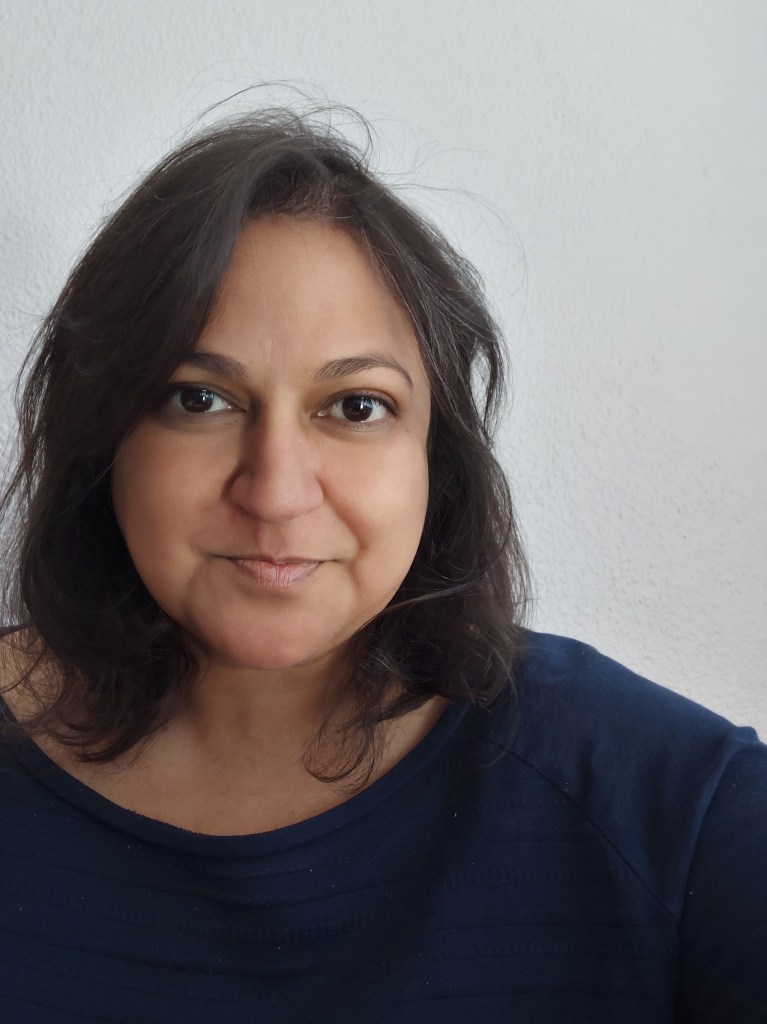
Amisha Chavda is a writer, coach, and poet passionate about healing, growth, and personal transformation. Her poetry collection, Seasons of Change, explores the journey of returning to oneself through life’s many seasons.


Leave a Reply